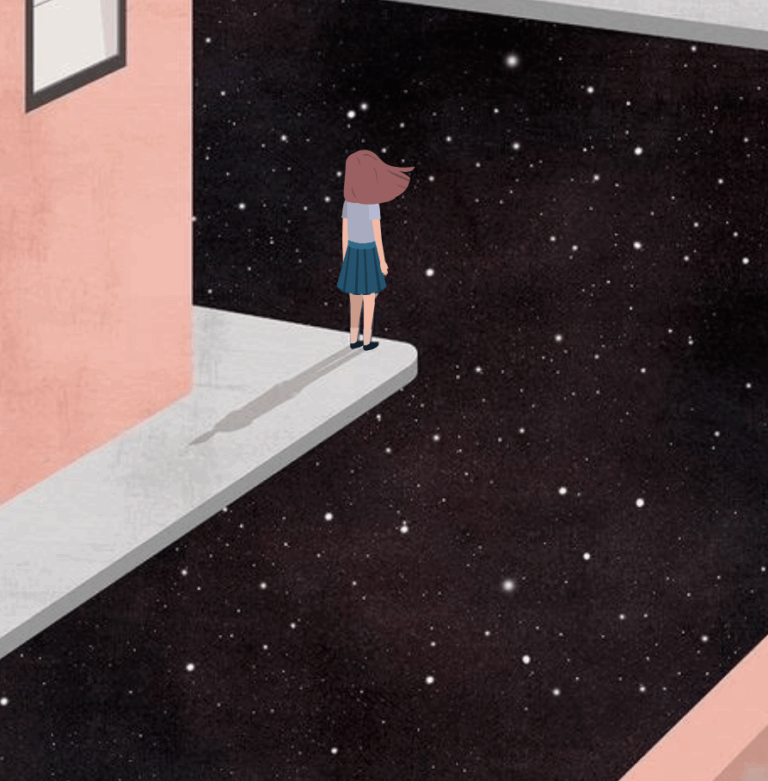
In this post, I’ll share six science-backed strategies to gently rewire your brain after heartbreak. Because breakups don’t just break your heart—they hijack your brain.

Neuroscience shows that the same circuits activated by physical pain light up during emotional loss. That’s why it can feel impossible to concentrate, eat, or sleep. But here’s the good news: your brain isn’t broken—it’s just doing what it learned to do. And it can learn again.
These aren’t toxic positivity hacks- they’re grounded in neuroscience, mindfulness, and self-compassion. Whether you’re reeling from a recent split or still untangling an old wound, these tools are here to help you feel like you again—one synapse at a time. 💛 Rewiring your brain is so within your reach💛
I’ve listened to this song more than a few times in the sad girl part of my breakup journey<3
https://www.youtube.com/watch?v=T4ZMNcNq2Fw
1. Mindful Disruption
When you feel yourself spiraling, stop and count backward slowly — 5…4…3…2…1. This moment of interruption gives your brain a break from reactivity and gives you a window to choose your next move consciously.
Use body-based practices like:
- Cold water splash to reset your nervous system
- Somatic shaking (literally shaking out your arms, legs, and spine) to discharge anxiety
- Box breathing: Inhale for 4, hold for 4, exhale for 4, hold for 4 — it signals safety to your body.
🧠 Why it works: These practices regulate the nervous system and help calm the amygdala (your panic center), giving your brain space to reactivate the prefrontal cortex — responsible for clarity, decision making and perspective.
2. Practice Cognitive Reappraisal
Reframe your interpretation of the breakup to create new mental circuits. This is literally how to rewire your brain
Ex: “I lost them” → “I learned from this.”
Check out the CRUSHED Guide here for more in depth exercises and background on reframing
🧠 Why it works: Reappraisal activates the prefrontal cortex and decreases activation in emotional pain regions. It lets you take ownership of your story instead of staying stuck in survival mode.
3. Connect- Don’t isolate
Seek co-regulation with safe people. Let someone witness your grief (Decide what you need from this person, and let them know. Advice? Comfort? Distraction? Clear expectations matter)

🧠 Why it works: Human connection soothes the nervous system. It lowers cortisol, boosts oxytocin, and reminds your body that you’re not in danger anymore — you’re healing.
4. Mix up your routine
Expose your brain to new routes, faces, or routines. Even small changes — taking a new path to work, trying a new recipe — can work wonders. While on the topic of mixing things up, get rid of the stuff they left at your place!* (Or hide it deep in your closet so you’ll only see it once every couple months)
🧠 Why it works: Novelty triggers dopamine release and enhances neuroplasticity.
New input = new wiring = new you.
*Note- this is not an excuse to see them in person again, we all know how slippery that slope is
5. Create New Neural Associations
Breakups can turn once-comforting routines into emotional haunted houses- ghosts popping out of nowhere to make you cry. The song you always played while making coffee? Ouch. That route you walked together? Instant gut punch.
If your mornings used to remind you of them, reclaim that time. Do something that makes you feel safe, empowered, and alive:
- Walk with music that makes you feel like the main character.
- Recite a mantra while brushing your teeth.
- Take a cold shower while visualizing shedding the old version of you.
The more emotional goodness you pair with the new routine, the faster your brain builds a new pattern. You’re not erasing memories — you’re rewriting the story. This is how healing happens on a neural level, THIS is how to rewire your brain.
🧠 Why it works: Our brains are association machines. They wire together events, emotions, places, smells — all of it. The magic combo? Repetition + emotion = neural pathways.
6. Name the thought loop
Recognize intrusive thinking as a brain habit, not a hard truth.
Try journaling or recording voice notes- this can make the invisible visible. Once it’s outside your head, it loses some of its grip. You might realize:
“This isn’t truth. It’s just my brain doing a thing.”
And the second you see it? You’re no longer just reacting — you’re responding. That’s healing. That’s power.
🧠 Why it works:
Intrusive thoughts are not proof of anything — they’re just brain loops. The more we repeat them, the deeper they dig in. But here’s the trick: labeling a thought — even just saying “this is a loop” — activates the brain’s prefrontal cortex, where language and logic live. That shift pulls energy away from your amygdala (emotional overdrive central) and gives you breathing room.

In Conclusion
Heartbreak might feel like the end, but it’s actually a powerful window for neural change. An opportunity to rewire your brain, to strengthen the ways you approach every situation in your beautiful life. When you navigate this season with intention, you don’t just survive the pain—you reshape your brain to support your growth, resilience, and joy.
Start small. Try one technique today—maybe it’s naming a thought loop, trying a cold shower, or texting someone safe. Your brain is listening. Your healing is already underway. And you’re never alone in the rewiring process.